
Tips for Finding the Perfect Tent for Hiking
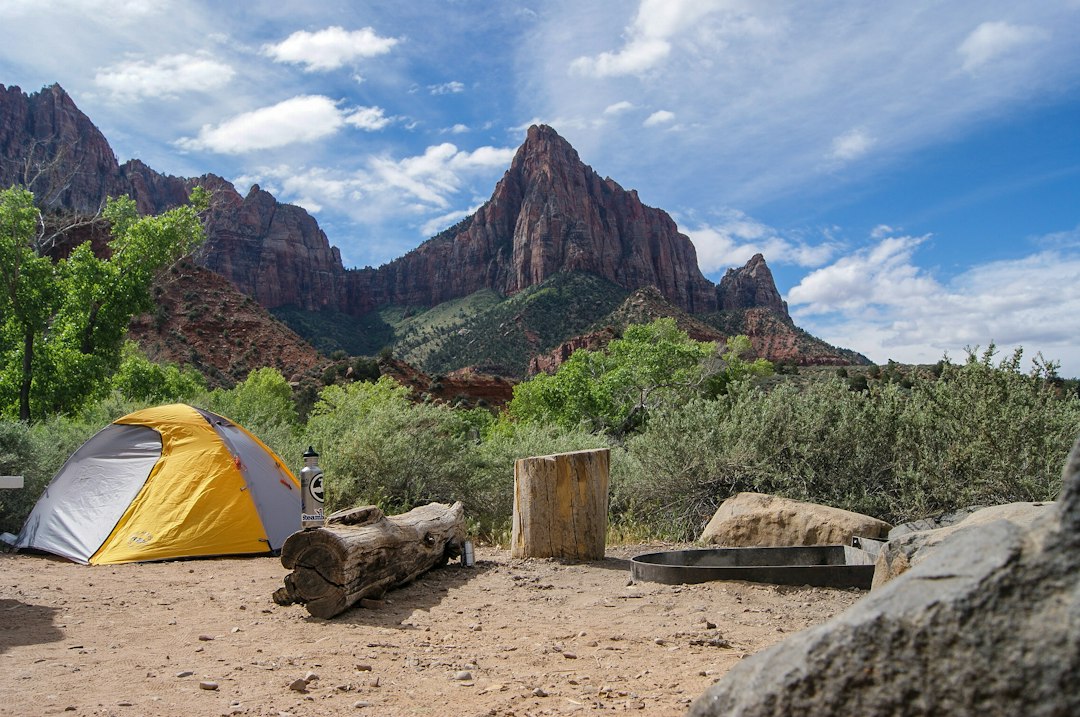
Choosing the right tent for your hiking adventures can significantly enhance your outdoor experience. With so many options available, it can be overwhelming to find the perfect fit for your needs. This article will guide you through essential considerations to help you make an informed decision, ensuring your next hike is comfortable and enjoyable.
Understanding Tent Types
When searching for the perfect hiking tent, it’s crucial to understand the different types available. Backpacking tents are lightweight and designed for easy transport, making them ideal for long hikes. On the other hand, car camping tents offer more space and comfort but can be bulkier, which may not be suitable for hiking trips.
Additionally, there are specialized tents such as four-season tents that can withstand harsh weather conditions, perfect for those who venture into mountainous terrains. Knowing the type of tent that aligns with your hiking style and environment is the first step in your selection process.
Size and Capacity Considerations
Another vital factor to consider is the size and capacity of the tent. Tents are typically rated for a specific number of occupants, but it’s wise to choose a tent that offers a bit more space than the minimum requirement. This extra room can provide comfort for gear storage and movement, especially during inclement weather.
For example, if you plan to hike with a partner, a two-person tent may feel cramped, especially if you have larger backpacks. Opting for a three-person tent can enhance your overall experience, allowing for a more relaxed atmosphere while you enjoy the great outdoors.
Weight and Portability
Weight is a critical consideration for hikers, as every ounce counts when you’re carrying your gear. Lightweight tents are designed for portability, making them easier to carry over long distances. However, it’s essential to balance weight with durability; a tent that is too light may not withstand the elements.
For instance, many hikers in the Pacific Northwest have reported that investing in a slightly heavier, more durable tent has saved them from discomfort during unexpected rainstorms. The right balance between weight and sturdiness can lead to a more enjoyable hiking experience, allowing you to focus on the journey rather than worrying about your shelter.
Weather Resistance and Materials
The materials used in tent construction play a significant role in weather resistance. Look for tents made from high-quality fabrics that offer waterproof capabilities and UV protection. The tent’s rainfly is particularly important, as it provides an additional layer of protection against rain and moisture.
In regions like the Rocky Mountains, where sudden weather changes are common, having a tent that can withstand heavy rain and wind is crucial. Many local hikers recommend tents with a waterproof rating of at least 3000mm for the rainfly, ensuring that you stay dry and comfortable during your adventures.
Community Recommendations and Reviews
Before making a purchase, it’s beneficial to tap into the experiences of fellow hikers. Online communities and local outdoor stores often provide valuable insights and recommendations based on real-world usage. Engaging with these communities can help you identify which tents have performed well in your area.
For example, hikers in the Appalachian region have shared their positive experiences with specific brands that excel in durability and weather resistance. By leveraging community feedback, you can make a more informed decision and choose a tent that has proven its worth in similar conditions.