
How to Choose the Right Backpack for Hiking
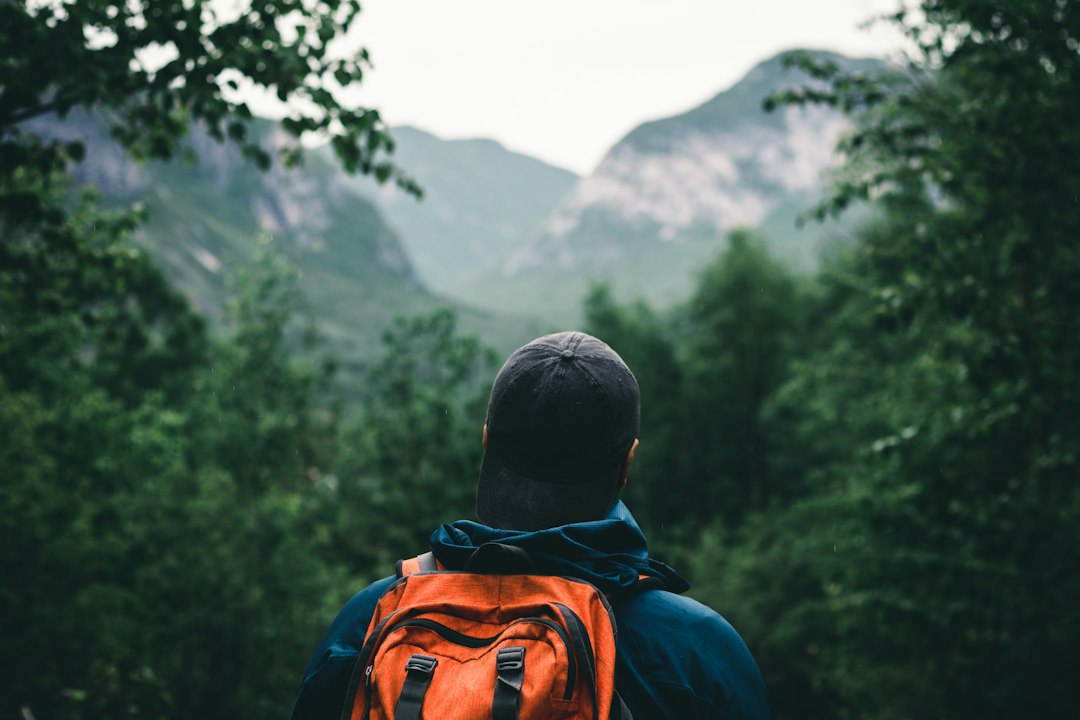
Choosing the right backpack for hiking is crucial for a successful outdoor adventure. A well-fitted and functional backpack can enhance your experience, allowing you to carry all necessary gear without discomfort. With numerous options available, understanding the key features and considerations will help you make an informed decision that suits your hiking style and needs.
Understand Your Hiking Needs
Before selecting a backpack, it’s essential to assess your hiking needs. Consider the duration of your hikes, the type of terrain, and the weather conditions you typically encounter. For day hikes, a smaller backpack with a capacity of 20-30 liters may suffice, while multi-day treks require larger packs ranging from 50-70 liters to accommodate extra gear and supplies.
Additionally, think about the specific items you plan to carry. If you need to bring camping gear, food, and water, opt for a backpack with multiple compartments and pockets for organization. Understanding your hiking needs will guide you in choosing a backpack that meets your requirements.
Backpack Fit and Comfort
The fit of a backpack is one of the most critical factors in ensuring comfort during your hike. A poorly fitting backpack can lead to discomfort, pain, and even injury. When trying on a backpack, pay attention to the shoulder straps, hip belt, and back panel. The shoulder straps should be padded and adjustable, allowing for a snug fit without digging into your shoulders.
The hip belt is equally important as it helps distribute the weight of the pack evenly across your body. Look for a hip belt that fits comfortably around your waist and can be adjusted for a secure fit. Additionally, consider the back panel’s design; a ventilated back panel can enhance airflow and reduce sweating during long hikes.
Material and Durability
The material of the backpack plays a significant role in its durability and performance. Look for backpacks made from high-quality, water-resistant materials that can withstand the rigors of outdoor use. Nylon and polyester are popular choices due to their strength and lightweight properties. Some backpacks also feature reinforced stitching and abrasion-resistant panels for added durability.
Consider the weather conditions you may encounter while hiking. If you often hike in wet environments, a waterproof or water-resistant backpack will keep your gear dry. Additionally, check for features like rain covers that provide extra protection during unexpected downpours. Investing in a durable backpack will ensure it lasts through many adventures.
Weight and Load Distribution
When choosing a backpack, consider its weight and how it distributes the load. A lightweight backpack can make a significant difference, especially on long hikes where every ounce counts. However, ensure that the lightweight design does not compromise on comfort and durability. Look for backpacks that offer a good balance between weight and functionality.
Load distribution is also crucial for maintaining comfort during your hike. A well-designed backpack should have a frame or support system that helps distribute the weight evenly across your body. This feature reduces strain on your back and shoulders, allowing you to hike longer distances with ease. Test the backpack with weight to see how it feels and make adjustments as necessary.
Step-by-step plan:
Step 1: Assess your hiking needs based on duration and terrain. Step 2: Try on different backpacks to find the best fit and comfort. Step 3: Choose a durable material suitable for your hiking conditions. Step 4: Consider weight and load distribution for optimal comfort.